The Architecture of the Pounce: Why Incomplete Play Stresses Your Cat
The Frustration Behind the Unfinished Hunt
Many indoor cats become strangely unsettled after an apparently energetic play session. A cat may sprint through the hallway, pace beneath a window, chirp at invisible movement, or launch a sudden attack at a passing ankle. In other cases, the signs are quieter: restless grooming, repeated searching beneath furniture, tail flicking, or an inability to settle into the deep sleep that normally follows vigorous activity. These reactions are often interpreted as excess energy or poor manners, yet they can reflect an unfinished predatory sequence.
For a cat, play is not merely frivolous recreation. It is an evolutionary motor pattern built around detecting, pursuing, seizing, and consuming prey. The domestic cat may live beside a heated bed and a carefully measured food bowl, but its nervous system still responds to the visual, auditory, and tactile cues that once organized a hunt. Understanding this behavioral neurology can help owners address chronic frustration, as explored in clinical approaches to feline welfare and stress.
This is why the familiar red dot can be both stimulating and unsatisfying. A laser creates movement, anticipation, and vigorous pursuit, but it has no weight, scent, resistance, or final possession. The cat is activated without receiving the sensory confirmation that the objective has been achieved. The purpose of a well-designed play ritual is therefore not simply to tire the body. It is to complete the loop, allowing the cat to move from alertness and pursuit into capture, feeding, grooming, and rest.
Deconstructing the Feline Predatory Motor Sequence
The feline predatory sequence is best understood as a chain of related actions rather than one undifferentiated burst of excitement. A cat first orients toward a stimulus, often with a still head, forward-facing ears, and a precise shift of the eyes. It then stalks, reducing movement and lowering the body close to the floor. The chase follows when the prey accelerates, leading to the pounce, grasp, and bite. In a natural hunt, the final stages include a firm kill-bite and consumption.
Not every play session needs to display every stage with equal intensity, and individual cats have distinct preferences. A confident Bengal may relish a rapid ground chase, while a more cautious Persian may prefer slow movements that disappear behind a cushion. Nevertheless, the underlying sequence remains important. Unlike a dog, whose working history may have emphasized selected portions of prey behavior, cats have generally retained a remarkably complete hunting pattern. Their predatory activity can also occur when they are not hungry, because movement itself activates deeply established reward circuitry.
Tactile resistance is particularly significant. When a toy pushes back, has weight, yields under the paws, or can be carried away, the cat receives information through the pads, claws, jaw, and whiskers. These signals tell the nervous system that the pursuit has reached a meaningful endpoint. A toy that vanishes at the instant of contact removes this confirmation. Repeated interruptions may leave the cat in a state of elevated arousal, with the body prepared for another chase even though no practical outlet remains.
- Orient: the cat detects and evaluates movement, sound, or scent.
- Stalk: the body lowers while attention narrows and movement becomes economical.
- Chase: rapid locomotion converts visual tracking into physical pursuit.
- Pounce: the forequarters strike, often followed by hind-foot kicking.
- Capture and bite: tactile resistance and jaw pressure provide closure.
When this pattern is routinely stopped at the chase or pounce, the resulting tension may appear hours later as furniture climbing, nocturnal agitation, ankle attacks, or repeated demands for stimulation. Such behavior is not proof of a single neurological disorder, and sudden aggression always deserves veterinary consideration, particularly when accompanied by pain, altered appetite, or changes in litter habits. In many healthy indoor cats, however, the practical issue is simply that play has been exciting without being complete.
Dopamine Loops and the Agony of the Red Dot
Dopamine is often described as a pleasure chemical, but its role in hunting is more accurately linked to motivation, attention, and pursuit. The sight of a rapidly moving object can heighten expectation and energize the next action. Capture brings a different physiological experience. Tactile completion, chewing, swallowing, and the subsequent decline in vigilance are associated with satiety and recovery processes involving several systems, including serotonin and endogenous opioids. The important distinction is between wanting the prey and having successfully dealt with it.
A laser pointer delivers a powerful visual trigger while withholding the physical information that normally ends the hunt. The beam cannot be held between the paws, bitten, carried, or consumed. If every session ends with the dot disappearing into a wall or simply being switched off, the cat may continue searching for it, stare at reflective surfaces, or redirect the remaining arousal toward another animal or a human hand. Laser play is not automatically harmful, but it requires supervision and a deliberate transition to a tangible toy or food reward.
Compulsive light searching and repetitive tail chasing should not be dismissed as amusing quirks when they are frequent, intense, or difficult to interrupt. Redirected aggression can also occur when a highly aroused cat cannot reach the original stimulus and strikes the nearest available target. Environmental enrichment research has examined the relationship between inadequate stimulation and abnormal repetitive behavior; the wider scientific literature can be reviewed through research on enrichment and repetitive behaviors. Readers may encounter a Checking your browser message before the full article loads. A veterinarian or qualified feline behavior professional should assess persistent or escalating signs.
| Fulfilled hunt | Unresolved chase |
|---|---|
| Visual pursuit ends in physical possession | Visual pursuit ends when the stimulus disappears |
| The cat feels weight, resistance, and texture | The paws and jaw receive no confirming feedback |
| A food reward can support grooming and rest | Arousal may remain elevated after play stops |
| Energy is directed into an organized sequence | Energy may be redirected toward ankles, tails, or household objects |
For safety, laser sessions should remain brief, the beam should never enter anyone”s eyes, and play should stop if the cat becomes frightened, collides with furniture, or begins compulsively scanning for light. Automatic laser devices are especially poor substitutes for attentive interaction because they rarely provide a convincing endpoint. Physical wand toys, kicker toys, scent activities, and food puzzles offer more complete sensory experiences.
Breeder Protocols for Humane and Complete Play Cycles
Breeders often observe that the quality of play matters as much as its duration. A ten-minute session with convincing prey movement may be more settling than a longer period of random waving. The aim is not to force a cat into exhaustion, but to create a predictable progression from interest to pursuit and from capture to calm. The environment should be free of fragile objects, exposed cords, and slippery surfaces that could cause injury during a sudden turn.
- Stage the environment with convincing equipment. Choose a flirt pole, weighted wand toy, or durable lure that can travel along the floor and withstand gripping. Ground-level motion is generally more natural than repeatedly lifting a feather above the cat”s head. Allow the lure to pass behind a chair leg, pause at the edge of a rug, and change direction with enough inertia to feel like an object rather than a hand-operated ornament. Inspect strings, clips, and attachments regularly, and store interactive toys securely after use.
- Build the hunt through varied pacing. Begin with subtle movement and pauses, then introduce short bursts of speed. Authentic prey does not move continuously at one uniform rate. It hesitates, disappears, accelerates, and sometimes makes a poor escape attempt. Near misses can maintain interest, but they should not become endless teasing. A cat that is older, overweight, arthritic, or out of condition may need shorter intervals and wider turns, while a kitten may benefit from several brief sessions rather than one demanding workout.
- Decelerate into a genuine capture. As the cat becomes tired, reduce the lure”s speed and let it remain within reach. Allow the cat to place both forepaws over the toy, bite it, wrestle briefly, and experience its resistance. The final capture should not be snatched away immediately. A dense kicker or prey-shaped toy is useful at this stage because the cat can carry it, bite it, and perform hind-foot kicking without directing those actions toward human skin.
- Offer a suitable consummatory reward. Follow the capture with a measured portion of the cat”s normal food or a small high-protein reward that fits the individual feeding plan. This does not mean adding unlimited calories. It means linking activity with a controlled, nutritionally appropriate endpoint. After eating, many cats groom and settle into a deeper rest period. Controlled feeding combined with predatory activity is relevant to indoor energy regulation and metabolic health, as discussed in research on feline feeding and activity patterns.
A consistent ritual is often more valuable than elaborate equipment. Ten to fifteen minutes may suit a healthy adult cat, but the correct duration depends on age, body condition, breed tendencies, joint comfort, and individual temperament. Cats should be allowed to disengage. Panting, flattened ears, frantic movement, or repeated failed attempts to escape the toy indicate that the intensity should be reduced rather than prolonged.
Food rewards should be calculated as part of the daily ration, especially for cats prone to weight gain. A veterinary professional can help adjust meal portions when play becomes more active, or when a cat has diabetes, gastrointestinal disease, food allergies, or another condition requiring dietary precision. The most humane protocol combines physical challenge with choice, predictable transitions, and careful observation of recovery after the session.
Rehabilitating the Aroused or Reactive Indoor Companion
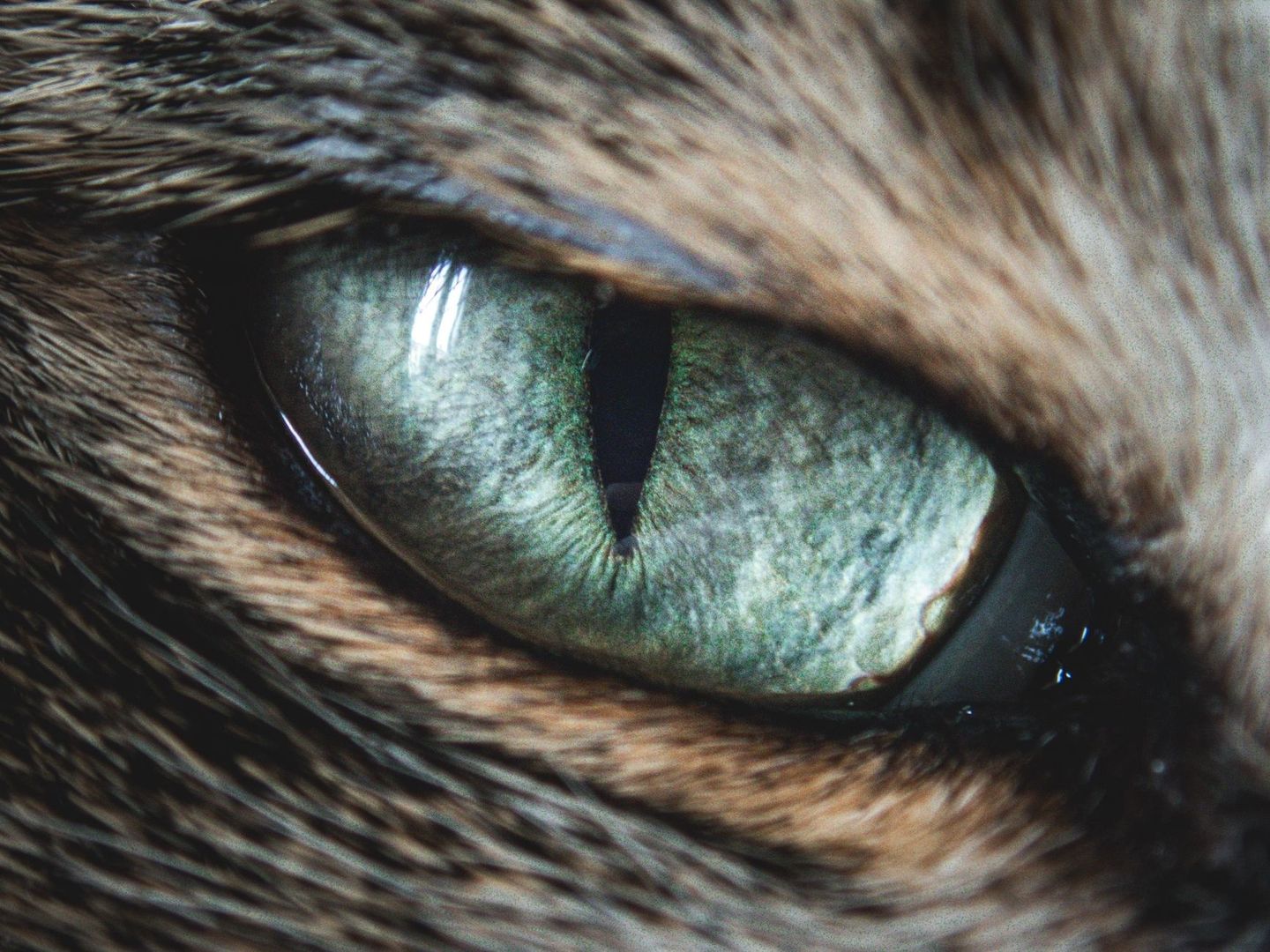
Early recognition makes redirection much easier. Dilated pupils, a rapidly flicking tail, skin rippling along the back, flattened or rotating ears, intense staring, and sudden changes in vocalization can all indicate that arousal is climbing. The cat may still appear playful, but the quality of movement has changed from flexible engagement to rigid fixation. At that point, hands should be removed from the game, children and other pets should be given space, and the stimulus should be slowed rather than made more exciting.
Passive tactile outlets can help dissipate residual energy without creating another high-speed chase. A sturdy kicker, dense wool mat, large soft toy, or food puzzle may allow biting, gripping, kneading, and sniffing in a controlled manner. These items should be selected according to the cat”s size and chewing habits, and any loose fibers, detachable parts, or damaged seams should be removed. Cats with a history of seizures or neurological disease should not be given light-based stimulation without veterinary advice; broader clinical guidance on behavior and environmental management is available through authoritative feline behavior research.
- Schedule interactive play near natural crepuscular activity peaks, commonly in the early morning or evening.
- Use several short sessions when a cat becomes overstimulated easily.
- End every chase with possession, a chewable toy, or an appropriate food reward.
- Keep a simple record of play duration, appetite, sleep quality, and episodes of redirected aggression.
- Seek veterinary assessment for sudden aggression, pain, compulsive behavior, or a marked change in routine.
Routine is particularly reassuring for indoor cats. When the household follows a familiar sequence, the cat learns that arousal has a safe conclusion rather than needing to remain vigilant for the next opportunity. This predictability can be valuable in multi-cat homes, where separate play areas and individual feeding rewards may prevent competition from turning a satisfying ritual into another source of tension.
Transform Daily Play into Restful Contentment
The difference between an exhausted cat and a fulfilled cat is easy to overlook. Exhaustion may follow frantic movement, yet leave the nervous system searching for an endpoint. Fulfilment comes when the cat has oriented, pursued, captured, bitten, and received an appropriate transition into food, grooming, and sleep. The goal is not to imitate every detail of a wild hunt, but to respect the sensory logic that makes feline play coherent.
Tonight”s session can be audited with three simple questions: Did the toy move in a way that invited focused pursuit? Did the cat receive genuine tactile possession? Did the activity end calmly rather than with disappearance and confusion? A few thoughtful adjustments, such as lowering the toy to the floor, allowing a final capture, and offering a measured reward, can change the emotional texture of the entire evening. When complete play cycles are honored, the cat is more likely to rest with quiet confidence, and the relationship between cat and guardian gains a gentler, more settled rhythm.