Mastering the Dense Undercoat: How Line-Combing Preserves Double-Coated Felines
The Hidden Architecture of the Feline Double Coat
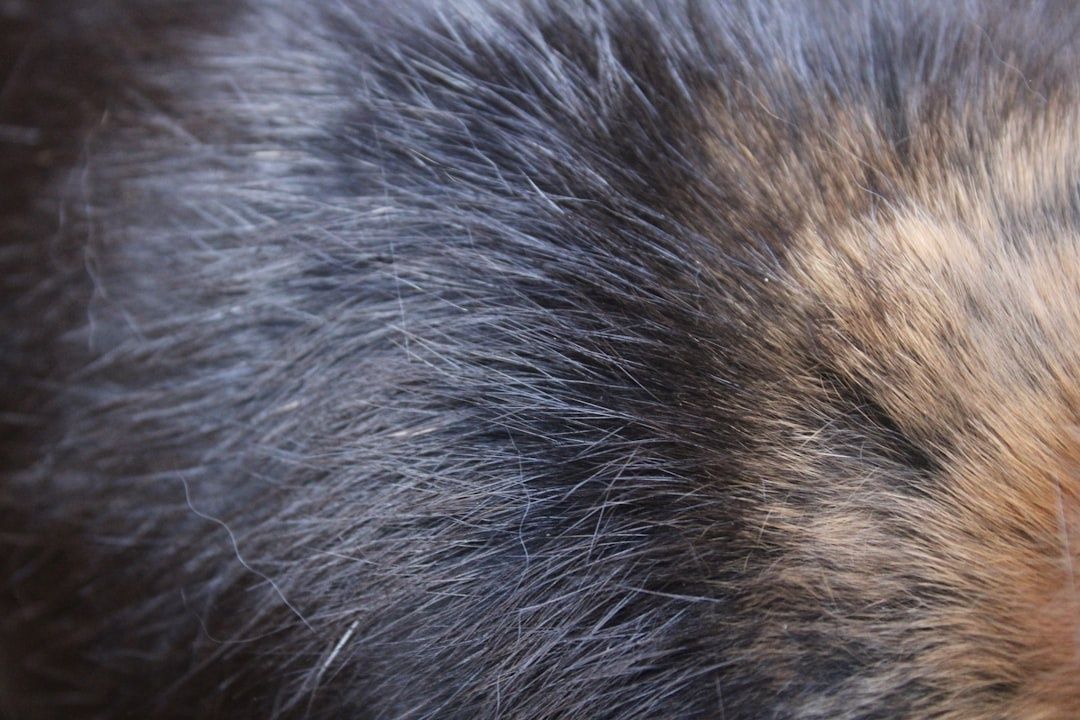
A feline double coat is not simply a thicker version of ordinary fur. It is a layered biological structure in which longer primary guard hairs form the visible outer silhouette, while shorter, finer secondary hairs create a dense insulating layer close to the skin. This architecture gives breeds such as British Shorthairs, Persians, Maine Coons, and Siberians their characteristic plushness, weather resistance, and visual depth. For owners seeking reliable cat grooming guidance, understanding that hidden structure is the essential starting point.
Surface brushing alone can make a coat look polished while leaving compacted dead undercoat undisturbed at the skin. A brush may glide over the guard hairs, particularly on a long Maine Coon or a heavily plush British Shorthair, yet fail to reach the fine layer where loose hairs accumulate. The undercoat provides insulation and helps moderate heat exchange, while natural sebum moves along the hair shafts to support suppleness and water resistance. Line-combing preserves these functions by opening the coat methodically rather than scraping across its surface.
Anatomy of Double-Coated Breeds and Common Shedding Traps
Coat density and texture vary considerably between breeds. The British Shorthair generally carries a short, springy, exceptionally plush coat in which the undercoat contributes strongly to the famous rounded appearance. Its compact fibers can shed in large quantities without immediately becoming visible on the surface. The Persian, by contrast, has a long, fine outer coat with a substantial underlayer that is especially vulnerable to tangling around the neck, armpits, breeches, and behind the ears.
Maine Coons and Siberians typically present a more flowing, textured coat with pronounced furnishings, longer belly hair, and a fuller ruff. These areas create natural friction points where dead secondary hairs can collect. When shed hairs remain trapped against emerging follicles, they interlock with moisture, skin oils, dust, and movement. The result is a mat that restricts air circulation, pulls on the skin, and can conceal irritation beneath an apparently impressive topcoat.
| Coat feature | Typical characteristic | Common grooming concern |
|---|---|---|
| Guard hairs | Longer, stronger primary hairs forming the visible coat | Breakage, frizz, and texture loss when cut or pulled |
| Undercoat | Shorter, finer, dense secondary hairs near the skin | Compaction, matting, and concealed skin irritation |
| Short plush coat | Compact, upright texture, as seen in many British Shorthairs | Heavy seasonal shedding that remains packed below the surface |
| Long dense coat | Layered furnishings and flowing hair, as seen in Maine Coons and Siberians | Knots in friction zones and tangles around furnishings |
Shedding often intensifies as daylight and temperature change, although indoor cats may shed throughout the year because artificial lighting and stable household temperatures blur seasonal cues. A healthy coat should still have elasticity, even coverage, and a clean skin surface. Persistent bald patches, excessive hair loss, redness, scaling, or repeated scratching are not ordinary grooming problems and should be assessed by a veterinarian. A brief daily inspection combined with more thorough combing two or three times weekly is a sensible rhythm for many double-coated cats, with frequency adjusted for coat length, age, lifestyle, and tolerance.
The Mechanics of Professional Line-Combing
Line-combing is a disciplined form of line brushing adapted to the feline coat. The coat is separated into narrow sections until the skin is visible, creating a clear working line. This method, described in professional grooming education such as professional line-brushing instruction, prevents the common mistake of repeatedly grooming only the same accessible surface. The aim is not vigorous raking. It is controlled access to every layer, from the skin outward, while preserving the natural alignment of the guard hairs.
- Choose a calm location with stable footing, soft light, and minimal household noise. Allow the cat to settle before presenting the tools.
- Begin in an area the cat accepts readily, often the shoulder or side, rather than immediately approaching a sensitive belly or tail.
- Use the fingers or the end of a comb to create a narrow part down to the skin. Work in sections approximately finger-width rather than attempting to cover a broad panel at once.
- Brush or comb from the skin toward the tips with short, light movements. As each section is cleared, create the next line slightly above it so the coat is worked systematically upward against gravity.
- Check the completed section with a medium-toothed comb, followed by a finer comb where appropriate. The comb should travel from skin to tip without catching or requiring force.
- Pause frequently, reward cooperation, and stop before the cat becomes restless. Several calm sessions are more effective than one prolonged struggle.
The wrist should remain supple rather than rigid. Excessive pressure bends the pins against the skin and encourages the tool to snag healthy guard hairs along with dead undercoat. A careful groomer separates rather than drags, allowing the comb to release loose material in small amounts. If a knot resists, do not increase force. Isolate it with the fingers, apply a cat-safe grooming spray if suitable, and reassess whether the knot can be gently loosened or requires professional removal.
Tool Selection for Dense Undercoats and Rotating Tines
Tool choice determines whether line-combing is a refining treatment or an abrasive ordeal. Cutting blades and aggressive stripping tools can remove more than dead undercoat. They may sever coat shafts, alter the balance between primary and secondary hairs, and produce uneven regrowth that feels harsh or appears patchy. On a show-textured coat, unnecessary cutting can diminish the natural drape, density, and protective character that careful grooming is meant to preserve.
Non-cutting rakes with rotating tines are designed to move through dense material with less drag. As the tines encounter resistance, rotation can reduce twisting and allow loose undercoat to release progressively rather than being pulled in a single harsh stroke. This does not make every rotating rake automatically suitable for every cat. The tool must still be used lightly, with attention to skin tension, coat direction, and the cat”s response. A product listing alone should not be treated as proof of a tool”s safety or performance, especially when specifications are incomplete.
- Tooth spacing: Wider spacing is generally useful for separating dense material, while finer spacing helps finish and detect small tangles. Teeth that are too close can clog and increase drag.
- Tine or pin finish: Ends should be smooth, rounded, and free from burrs. Any sharp edge can scratch the skin or catch the coat shaft.
- Rotating action: Rotation should feel fluid rather than loose, jerky, or grinding. Resistance should be released by the tool, not transferred directly to the follicles.
- Handle ergonomics: A balanced handle allows a relaxed wrist and precise control. Heavy or slippery tools encourage pressure and fatigue.
- Comb pairing: A suitable comb is essential for checking whether the undercoat is genuinely clear. A brush that looks effective may still leave hidden resistance.
A useful professional sequence is to loosen and lift with an appropriate non-cutting tool, then verify the result with a comb. The coat should be approached in small zones, especially around the ruff, front legs, armpits, hindquarters, and tail base. Never shave a double coat merely for convenience. The layered coat contributes to protection from sunlight, moisture, and environmental exposure, and shaving may create an uneven or slow return to the original texture. Veterinary clipping is different, and may be appropriate when severe matting, surgery, or a medical condition makes it necessary.
Dermatological Health and Preserving the Stratum Corneum
Feline skin is delicate, and the stratum corneum, the outermost layer of the epidermis, depends on an intact arrangement of cells and lipids to support its barrier function. Repeated scraping, sharp pins, and forceful dematting can cause brush burn or microscopic abrasions even when no obvious wound is visible. Removing too much natural oil may leave the coat dry and the skin more vulnerable to irritation. The purpose of grooming is therefore not to make the coat feel maximally stripped, but to remove what is genuinely loose while retaining healthy structure.
During grooming, observe both the skin and the cat”s body language. The guidance from the ASPCA”s cat care resources emphasizes regular inspection and professional help when a cat resists handling or when skin changes appear. Repeated scratching, redness, scaling, hair loss, sores, sudden sensitivity, or persistent licking warrants veterinary attention rather than more determined brushing.
- Reduce pressure if the skin dimples, reddens, or moves noticeably with each stroke.
- Stop if the cat repeatedly turns to bite, flattens the ears, lashes the tail, or attempts to escape.
- Use shorter sessions when the coat is dry, static, or unusually tangled.
- Never work directly over a wound, scab, parasite infestation, or suspicious lump without veterinary advice.
- Seek professional grooming support for extensive mats, severe resistance, or a cat that cannot be handled safely.
A calm cat may tolerate line-combing beautifully when the process is introduced gradually, but tolerance is not consent to unlimited handling. The skin should remain warm, intact, and free from prolonged redness after grooming. If a tool repeatedly catches, change the angle, narrow the section, or choose a gentler implement rather than applying more force.
Cultivating a Lifetime of Comfort Through Mindful Grooming
Excellent line-combing becomes a sensory ritual when it is predictable, brief, and respectful. Begin with a familiar touch, work in a consistent order, and finish while the cat is still composed. Treats, a soft voice, and a stable grooming surface can help create positive associations, but rewards should never be used to distract a cat from painful mat removal. Confidence grows when the cat learns that handling is controlled, comprehensible, and easy to escape from.
Over time, this routine offers more than a polished silhouette. Removing loose undercoat can reduce swallowed hair and hairball formation, while opening the coat improves ventilation around the skin and helps maintain comfortable temperature regulation. It also gives owners an early opportunity to notice parasites, wounds, lumps, changes in coat quality, or patterns of hair loss. With appropriate tools, patient sectioning, and a clear respect for feline boundaries, home grooming can preserve a dense double coat to a remarkably high standard while protecting the comfort and dignity of the cat beneath it.